
A new Flight Centre Canada survey* conducted by YouGov reveals 78% of Canadians agree adventure travel today is defined by discovery, not adrenaline. In fact, 91% say a trip can feel adventurous without any thrill-seeking at all. This mindset is shaping how Canadians plan their travel ahead of the year’s busiest season.
“Five or ten years ago, adventure meant pushing your limits physically,” says Anita Emilio, executive vice president for Flight Centre Canada. “Now, it’s about stepping into the unknown — intellectually, emotionally and spiritually. Canadians are choosing places that are not just farther away, but also feel different because that’s what makes a trip feel like an adventure today.”
The survey shows that 72% of travellers define adventure as something that expands their worldview:
- experiencing different cultures, traditions or ways of life (14%)
- exploring a new city or region (13%)
- stepping outside their comfort zone (11%)
- venturing off the beaten path (10%)
- trying new foods (6%) or spending time in nature (6%)
Only 28% of Canadians associate adventure with high-adrenaline or physically intense activities, highlighting how broadly the term “adventure” has changed in definition.
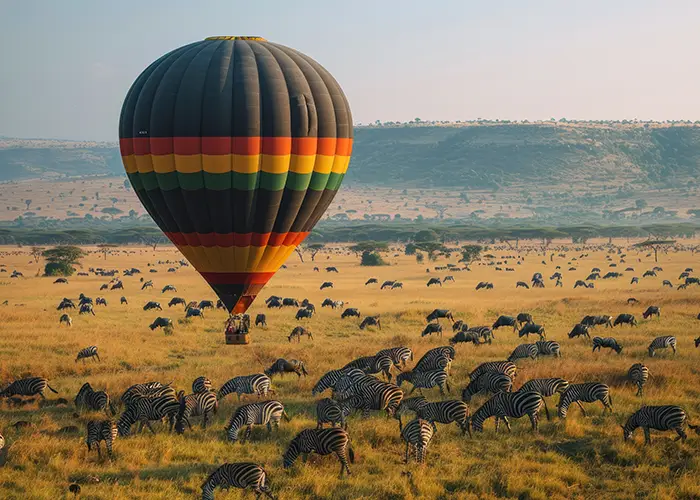
The destinations perceived as most “adventurous” are long-haul, with Africa (43%) and East and Southeast Asia (40%) ranking highest, followed by Australia and New Zealand (37%). The United States ranks significantly lower at 12%.
This reflects broader travel patterns. Statistics Canada reported 9.3% growth in overseas trips in March, alongside continued declines in the U.S., indicating Canadians are increasingly looking beyond familiar destinations.
For spring and summer 2026, Mexico, Canada, and the Dominican Republic remain Flight Center’s top destinations by volume. However, the strongest growth is in the long-haul market: Portugal (57%), New Zealand (52%), the Netherlands (40%) and Germany (32%).** Canadians are also showing greater confidence in travelling to places they may have previously overlooked, like Greece, Argentina and Colombia — destinations that feel unfamiliar, but increasingly accessible through guided tours, cruises, all-inclusive options and tailored itineraries.
The shift comes at a time when global travel is becoming more complex and less predictable with ongoing geopolitical tensions driving up fuel costs and prompting airlines to adjust pricing and capacity.
Even so, demand remains strong with 82% viewing travel as essential to their wellbeing — a sign it’s becoming more important, not less.